Good sleep hygiene is the set of daily habits and environmental conditions that make falling asleep and staying asleep easier. The core rules are simple: keep a consistent wake time, get morning daylight, cut caffeine after early afternoon, keep the bedroom dark, quiet and cool, and give yourself a calm hour before bed. Most adults need seven to nine hours a night, and consistency matters as much as duration.
Key takeaways
- Good sleep hygiene is about habits and environment, not willpower or expensive gadgets.
- A fixed wake time is the single most powerful lever you can pull, because it anchors your body clock.
- Light is the strongest signal your circadian rhythm responds to, so bright mornings and dim evenings do most of the work.
- Caffeine lingers far longer than people expect, so an afternoon coffee can still be active at bedtime.
- Sleep wearables such as Whoop and Oura will not make you sleep, but they are very good at showing you which habits are helping and which are quietly costing you rest.
- If poor sleep lasts longer than a month and affects your daytime function, speak to your GP about cognitive behavioural therapy for insomnia.
What is good sleep hygiene?
Good sleep hygiene means creating conditions that let your body do what it already knows how to do. Sleep is not a switch you flip. It is the end point of a chain of biological signals involving light exposure, core body temperature, adenosine build up during the day, and the hormone melatonin, which your brain releases as evening light fades.
When people say they cannot sleep, the cause is usually somewhere in that chain. A bright screen at 11pm suppresses melatonin. A late coffee blocks adenosine, the chemical that creates sleep pressure. A warm bedroom stops the natural drop in core temperature that sleep onset depends on. Good sleep hygiene simply removes those obstacles, one by one.
The term comes from clinical sleep medicine, where it is used as a first line of behavioural advice before medication is ever considered. That is a useful frame. These are not lifestyle tweaks for people who already sleep well. They are the foundation.
Why good sleep hygiene matters more than most people realise
Sleep is when your brain clears metabolic waste, consolidates memory and regulates emotion. It is when your body repairs tissue and rebalances hormones that govern appetite, stress and blood sugar. Chronic short sleep is linked in large observational studies to higher risk of cardiovascular disease, type 2 diabetes, weakened immune response, depression and impaired concentration.
Around one in three adults regularly falls short of the recommended seven hours. Most of them are not suffering from a sleep disorder. They are running into habits, screens, schedules and bedrooms that work against them. That is good news, because habits and environments are the parts you can change this week.
Nine tips to get sleep that actually work
These are the tips to get sleep that appear consistently in clinical guidance from bodies like the NHS, the American Academy of Sleep Medicine and the Sleep Foundation. Start with the first three. They do most of the heavy lifting.
1. Keep your wake time fixed, even at weekends
Your body clock cares more about when you get up than when you go to bed. A steady wake time trains your circadian rhythm to release melatonin at roughly the same hour each evening, which means you start feeling naturally sleepy at a predictable time.
Lying in until 11am on a Sunday is the equivalent of flying two time zones west and back every weekend. Sleep researchers call this social jetlag, and it is one of the most common reasons Monday nights feel so difficult. If you need to catch up, cap the lie in at one hour.
2. Get bright light into your eyes within an hour of waking
Morning daylight is the strongest signal your body clock receives. Ten to twenty minutes outside, even under grey British cloud cover, delivers far more lux than any indoor lighting. That early exposure sets the timer for melatonin release roughly fourteen to sixteen hours later.
If you leave for work in darkness through winter, a 10,000 lux light therapy lamp on your desk for twenty minutes is a reasonable substitute.
3. Give caffeine a curfew
Caffeine has a half life of around five to six hours, which means half of your 3pm coffee is still circulating at 9pm, and a quarter of it at 2am. Even when it does not stop you falling asleep, it measurably reduces deep sleep.
Set a cut off around eight hours before bed. For a 10:30pm bedtime, that means nothing caffeinated after 2:30pm. Watch for hidden sources: green tea, dark chocolate, cola, pre workout supplements and some painkillers.
4. Make the bedroom dark, quiet and cool
Aim for a bedroom temperature of roughly 16 to 18 degrees Celsius. Your core temperature needs to fall by about one degree for sleep to begin, and a warm room blocks that. A hot bath or shower ninety minutes before bed helps, counterintuitively, because the rush of blood to the skin afterwards accelerates heat loss.
Then handle light and noise. Blackout curtains or a well fitted eye mask. Earplugs or a white noise source if you live somewhere loud. Cover or remove standby LEDs. Charge your phone in another room.
5. Protect the last hour before bed
Your nervous system cannot go from inbox to unconscious in five minutes. Build a wind down routine of forty five to sixty minutes and repeat it nightly so it becomes a conditioned cue: lights dimmed, screens down, something low stimulation like reading a physical book, stretching, a warm shower or slow breathing.
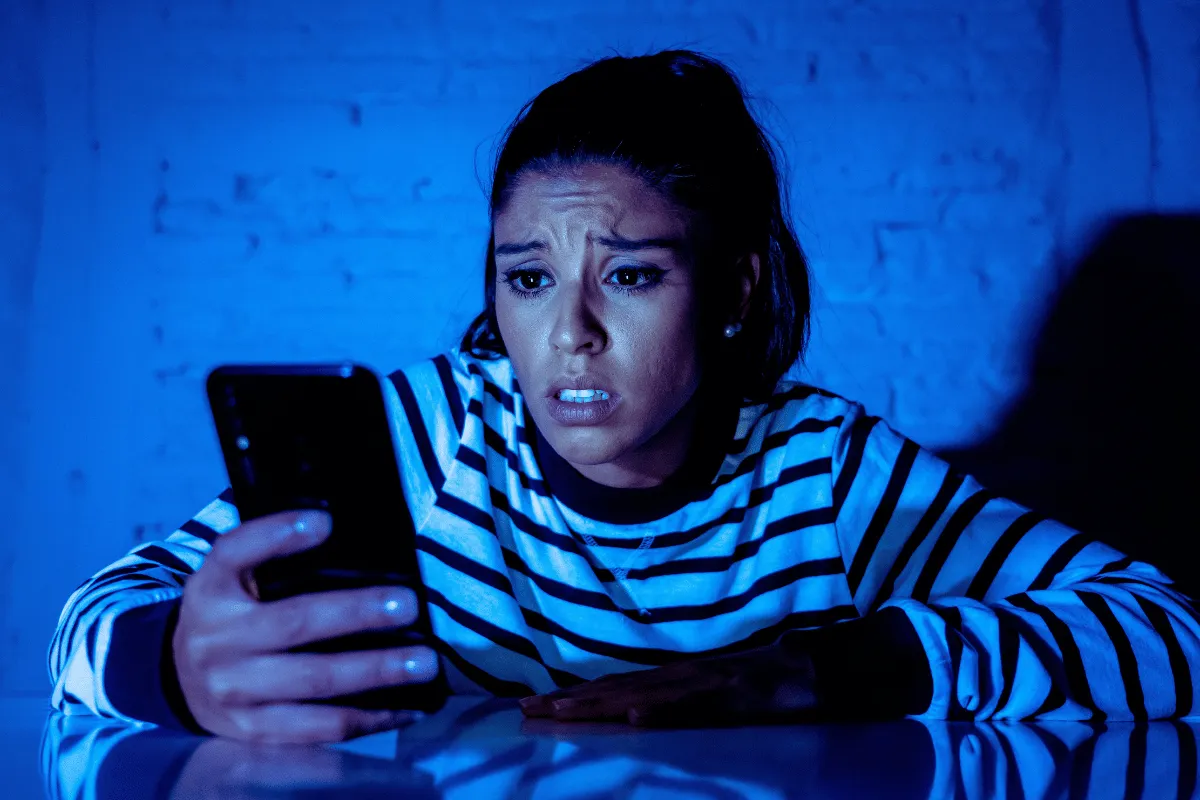
Screens are a double problem. The blue light suppresses melatonin, but the content is worse. Work email, news and social feeds are engineered to raise arousal at exactly the moment you need it to fall.
6. Use the bed for sleep and sex only
This is the principle of stimulus control, and it is one of the most evidence backed elements of good sleep hygiene. If you work, scroll and watch television in bed, your brain learns to associate the bed with alertness.
The companion rule: if you have been lying awake for more than about twenty minutes, get up. Go to another room, keep the lights low, do something dull, and return only when you feel sleepy. Lying in bed frustrated teaches your brain that bed is where frustration happens.
7. Move your body during the day
Regular exercise improves sleep quality and reduces the time it takes to fall asleep. Anything counts, and consistency beats intensity. Morning or afternoon sessions are ideal because they raise core temperature and then let it fall.
Hard training within two hours of bed can delay sleep onset for some people, though the evidence is less absolute than the internet suggests. Track your own response rather than assuming.
8. Be honest about alcohol
Alcohol is a sedative, so it shortens the time it takes to fall asleep. That is why so many people believe it helps. What happens next is the problem. As your body metabolises it, sleep fragments, REM sleep is suppressed and you wake in the early hours with a raised heart rate.
If you drink, finish at least three hours before bed and keep it modest. Anyone who has ever compared a sober night with a two glass night on a sleep tracker has seen this play out in the data.
9. Deal with the racing mind on paper
If you lie down and your brain immediately produces tomorrow's to do list, give it somewhere else to go. Spend five minutes before your wind down writing down open loops: tasks, worries, anything unresolved. Research on this simple offloading habit shows it reduces the time taken to fall asleep.
For persistent rumination, add a slow breathing practice. Extending your exhale longer than your inhale for a few minutes shifts you towards parasympathetic dominance, which is the physiological state sleep needs.
How technology assists good sleep hygiene
Here is the honest position: no device makes you sleep. What technology does brilliantly is close the gap between what you think your habits are doing and what they are actually doing. That feedback loop is where the value sits.
Wearables that measure what your habits cost you
Oura makes a smart ring, currently the Oura Ring 4, which launched in October 2024 and starts around 349 pounds or dollars plus a monthly membership. It tracks sleep stages, sleep latency, sleep efficiency, resting heart rate, heart rate variability, blood oxygen and overnight body temperature, then combines these into a Sleep Score with a breakdown of contributors. Reviewers consistently rate it among the most accurate consumer sleep trackers available, partly because a ring sits comfortably enough to actually be worn every night.
Whoop takes a subscription first approach. The Whoop 5.0 and Whoop MG launched in May 2025 with memberships starting around 169 pounds or 199 dollars per year, a 14 day battery and a redesigned Sleep Score. Its standout feature for sleep hygiene is Sleep Coach, which calculates your Sleep Need from the strain you accumulated that day plus any sleep debt carried over from the week, then tells you what time to be in bed to hit a given recovery target. It also lets you log behaviours, so you can correlate late meals, alcohol or evening training with what happened to your sleep afterwards.
Both are doing the same fundamental job: turning invisible habits into visible consequences. Seeing that a 9pm glass of wine cost you 40 minutes of deep sleep and pushed your resting heart rate up six beats per minute is far more persuasive than any article, including this one.
Everything else worth using
- Smart lighting. Bulbs from brands like Philips Hue can shift to warm, dim tones automatically in the evening and simulate a sunrise in the morning. Automation beats discipline, because it removes the decision entirely.
- Sunrise alarm clocks. Devices such as the Lumie Bodyclock or Philips SmartSleep wake you with gradually increasing light, which is a gentler and more circadian friendly cue than an alarm, especially through winter.
- Temperature control. Mattress systems like Eight Sleep actively cool the bed through the night. Expensive, but effective for people who overheat.
- Sleep apps. Calm, Headspace and similar apps offer guided relaxation and sleep stories. The mechanism is simple. They give your attention something undemanding to settle on.
- Phone settings you already own. Wind Down and Focus modes on iOS, Bedtime mode on Android, and greyscale after a set hour. Free, and more effective than most paid options.
- Environment sensors. A cheap thermometer and hygrometer tells you whether your bedroom is genuinely in the right range. Most people guess wrong.
The one risk to be aware of
There is a recognised downside to sleep tracking called orthosomnia, where anxiety about achieving a good score starts to harm sleep itself. If you find yourself checking your score before you have properly woken up, or lying awake worrying about your recovery percentage, step back. Look at weekly trends rather than nightly numbers, and treat the data as a coach rather than a verdict.
A simple seven day reset
| Day | Focus | Action |
|---|---|---|
| 1 | Anchor | Pick one wake time and set it for all seven days |
| 2 | Light | Get twenty minutes of daylight within an hour of waking |
| 3 | Caffeine | Set your cut off eight hours before bed |
| 4 | Environment | Cool the room, block the light, remove the phone |
| 5 | Wind down | Build a repeatable forty five minute routine |
| 6 | Movement | Add thirty minutes of daytime activity |
| 7 | Review | Look back at your week and keep what worked |
Change one thing at a time. Stacking six new habits at once is how people abandon all of them by Thursday.
When good sleep hygiene is not enough
Sleep hygiene fixes habit driven poor sleep. It does not fix sleep disorders. Speak to your GP if you experience any of the following:
- Difficulty falling or staying asleep at least three nights a week for over three months
- Loud snoring, gasping or witnessed pauses in breathing, which may indicate sleep apnoea
- Overwhelming daytime sleepiness despite adequate time in bed
- Uncomfortable leg sensations that worsen at rest
For chronic insomnia, the first line treatment recommended by NICE and the American Academy of Sleep Medicine is cognitive behavioural therapy for insomnia, not sleeping pills. It is available through the NHS in many areas and through digital programmes, and it outperforms medication over the long run.
Frequently asked questions
What is good sleep hygiene in simple terms? It is the set of daily habits and bedroom conditions that make sleep easier: consistent timing, morning daylight, limited caffeine and alcohol, a dark cool quiet room, and a calm hour before bed.
How long does it take for good sleep hygiene to work? Most people notice a difference within one to two weeks, though a badly shifted body clock can take three to four weeks to fully reset. Consistency matters far more than perfection on any single night.
What are the best tips to get sleep quickly at night? Keep the room cool and dark, avoid screens for the last hour, try slow breathing with a long exhale, and if you are still awake after twenty minutes, get up and do something dull in low light until you feel sleepy.
Do sleep trackers like Whoop and Oura actually improve sleep? Not directly. They improve sleep indirectly by showing you which behaviours help and which hurt, which makes good sleep hygiene habits far easier to sustain. Their value is accountability and pattern recognition rather than measurement precision.
Is it bad to nap? Short naps of twenty to thirty minutes before mid afternoon are generally fine and can improve alertness. Longer or later naps reduce sleep pressure and can make it harder to fall asleep that night.
Does blue light blocking actually help? Dimming your environment and reducing screen use in the evening helps more than the glasses or filters alone. Content and timing matter as much as the wavelength of the light.
This article is for general information and does not replace personalised medical advice. If poor sleep is affecting your health or daily functioning, please speak to a qualified healthcare professional.